A Beginning's Guide to Understanding Protected Trees
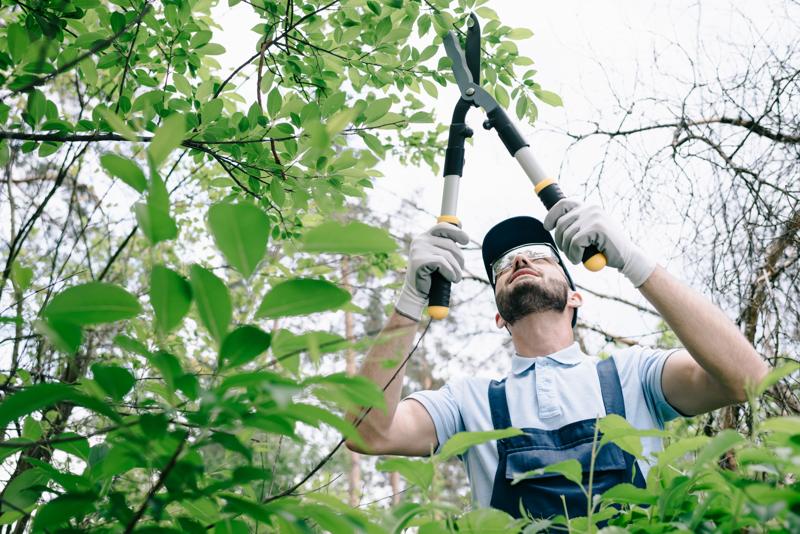
Trees play an important part in the environment as they provide shade, clean air, and aesthetic value to our surroundings. However, not all trees are alike and some have an additional status of protection, making it illegal to perform any work without obtaining permission. If you’re considering having a tree removed, it’s essential to understand the protection status of the tree being considered, and the steps you have to take to comply with the laws. In this article, we will help you understand the process of discovering whether trees are protected and what you will need be doing to make sure you comply with the law.
What exactly is a tree that is protected?
A protected tree is one that is subject to specific legal controls and it is unlawful to carry out work on such a tree without the required permissions. There are two types of protection a tree might have: statutory protection and preservation orders.
Legal protection
Under statutory protection, trees are protected by laws and in the hands of Tree Preservation Orders (TPOs). TPOs are put in place by local authorities to safeguard trees of significant value to the public and to ensure that they are not damaged or destroyed.
Preservation orders
Preservation orders are like TPOs in that they are issued from the Secretary of State responsible for Environment. Trees with preservation orders are considered to have exceptional value and are shielded from all work, which includes felling.
How can I tell when a tree is in danger?
To determine if a tree is protected, you need to check if it is subject to a TPO or preservation order. It is done by contacting your authorities in your area and asking them look up their records.
TPO search
If you want to find a TPO, you can contact the Tree or Woodland Official from the local authority. They will be able to tell you whether the tree is protected. They’ll also be able to advise you on the next steps you should do if your tree is in a protected area.
Preservation order search
To search for a preservation permit, you’ll need to call the Secretary of State for the Environment. They will determine whether the tree is protected and give you the necessary information and guidance.
FAQs:
What happens if I carry out work on a protected tree without permission?
If you do work on a tree that is protected without the appropriate permissions, you could face substantial fines and even imprisonment.
Can I appeal a TPO Or preservation or TPO?
Yes, you can appeal a TPO or preservation or TPO if it’s not justifiable. You will have to provide evidence to support your argument and demonstrate why it is not necessary to appeal the TPO or the preservation decision isn’t necessary.
Can I remove a protected tree?
It is unlawful to take down trees that are protected without the necessary permissions. If you require the tree to be removed, you will need to apply for permission and provide the evidence needed to prove your case.
Conclusion
In the end, determining if a tree is protected is an essential aspect in ensuring that any tree work legally completed. Understanding the different kinds of protection and how to determine if they are protected it is possible to be sure that you are acting within the law and safeguarding the trees you care for. If you are unsure about the nature of the protection of trees, we suggest consulting a reputable tree specialist like North Shore Tree Removal. Our arborists are experienced and can advise you on the protection status of your trees and guide you through the necessary steps to ensure that you are following the legal guidelines. With our experience and dedication to providing top-quality tree care we will help you maintain the beauty and value for your tree. Contact us today at 1300 636 143 to schedule a consultation and let us help you ensure that your trees are protected and healthy.